Your Brand Lives in the Moments You Don't Control.
Why brand guidelines aren't enough — and what experience design actually means.
share
date
15.01.2025
photos
Bilal Furkan Koşar
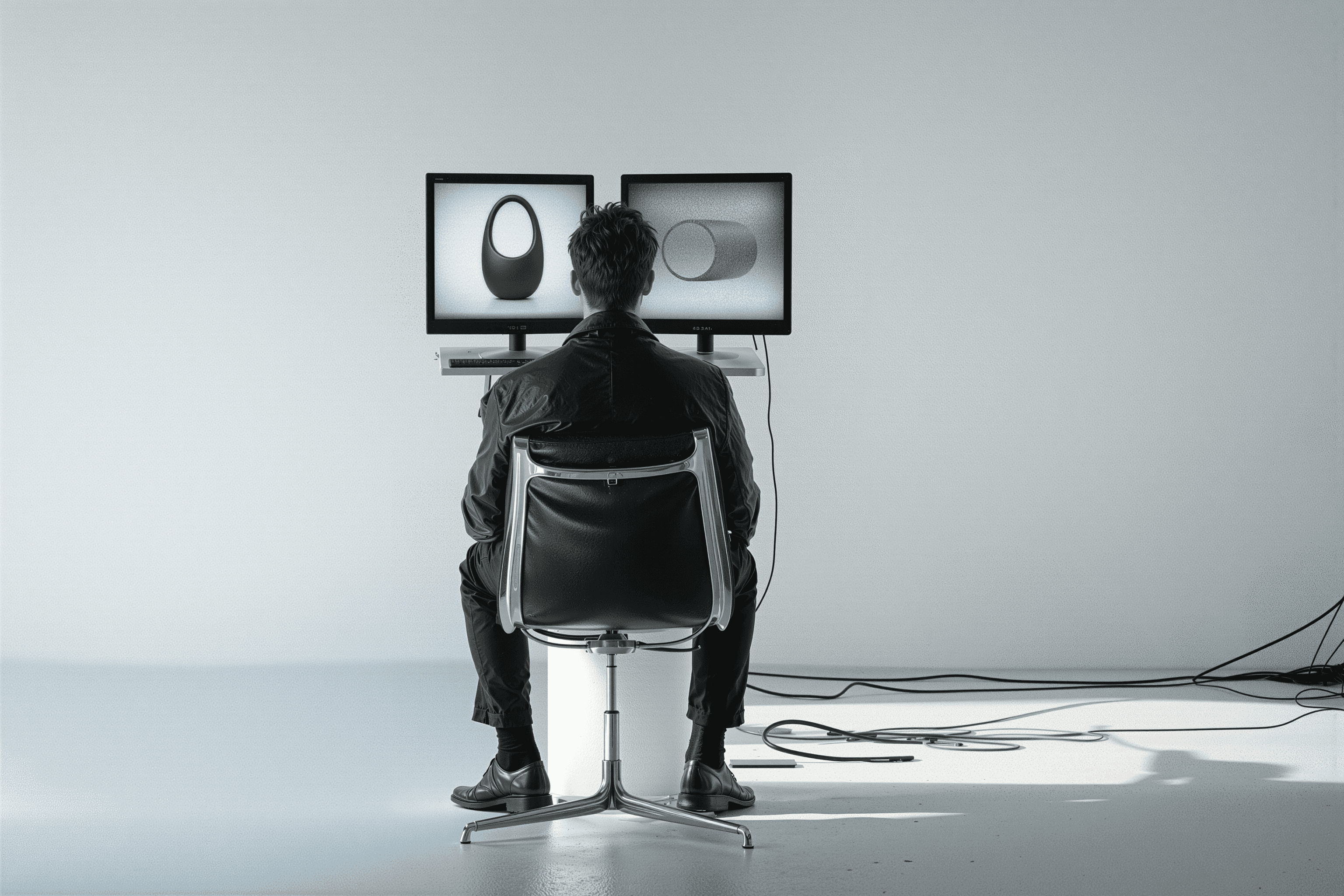
The brand guidelines are thirty pages long. The logo usage rules are precise. The color palette is defined to the hex code. The typography hierarchy is documented. The tone of voice section runs to four pages.
And then a customer calls with a complaint. The person who answers is tired, slightly defensive, and uses language that sounds nothing like the brand. The call ends. The customer posts about it.
That interaction — unscripted, undesigned, and uncontrolled — is the brand. Not the guidelines. Not the logo. Not the campaign. The moment.
Where brands actually live.
Every business has a theory of its brand — the story it tells itself, the values it lists on the website, the personality it expresses in its marketing. And then there's the reality of the brand — the accumulated experience of every person who has ever encountered it.
These two versions are often far apart. Not because anyone intended the gap, but because brand has traditionally been treated as a communications problem when it's actually a systems problem.
A brand is not what you say. It's what people experience. And experience happens across hundreds of touchpoints — most of which were never deliberately designed.
The checkout process. The invoice template. The out-of-office email. The packaging when the product arrives damaged. The hold music. The onboarding flow. The way a sales proposal is formatted. These are not marketing moments. But they are brand moments. And they are just as powerful — often more powerful — than any campaign.
What experience design actually means.
Experience design is the discipline of making intentional choices about every significant touchpoint — not just the ones that are traditionally "brand."
It starts with mapping. What are all the moments in which a customer encounters this business? From first awareness through to long after purchase? Which of those moments currently feel consistent with what the brand says about itself? Which feel inconsistent or accidental?
The gaps between intention and reality are where brand equity leaks. And the accumulation of those gaps, over time, is what produces the uncomfortable feeling that a brand "says one thing and does another."
Research from PwC found that 73% of consumers say experience is a key factor in their purchasing decisions — ahead of price and product for many categories. Yet most businesses design their product carefully, market it thoughtfully, and then leave the experience of buying and owning it largely to chance.
The design of small moments.
The brands that consistently outperform their category are rarely the ones with the biggest budgets or the most creative campaigns. They're the ones that sweat the small moments.
The packaging that arrives and feels considered, not just functional. The confirmation email that sounds like a human wrote it. The error message that acknowledges the frustration instead of repeating instructions. The renewal conversation that feels like a relationship, not a transaction. These moments are designed. They are the result of a team somewhere asking: what should this feel like?
That question — what should this feel like — is the engine of experience design. It applies to FMCG as much as to real estate. To civil society organizations as much as to e-commerce platforms. Wherever there is a human encountering a brand, there is an experience being created — designed or not.
Building a brand that holds.
The most resilient brands are the ones where the external expression and the internal reality are aligned. Where the way the company talks about itself in its marketing reflects the way it actually behaves in practice. Where a new employee, two weeks in, encounters the same values in their day-to-day work that the careers page promised them.
That alignment doesn't happen by accident. It's the result of taking brand seriously not just as a communications function but as an operational one. Of building systems, behaviors, and decision principles that carry the brand's meaning into the moments that marketing doesn't reach.
Guidelines are a start. They are not a system.
The brand you designed lives in a PDF. The brand your customers experience lives in the moments — the phone calls, the emails, the interactions, the textures of doing business with you.
Make those moments count.